
Apparel Bulk Quality Control: A Practical Checklist for Clothing Brands
Learn how apparel bulk quality control checks fabric, measurements, sewing, printing, embroidery, labels, finishing and packaging before clothing orders are shipped.
Jack Allen
8/15/20268 min read
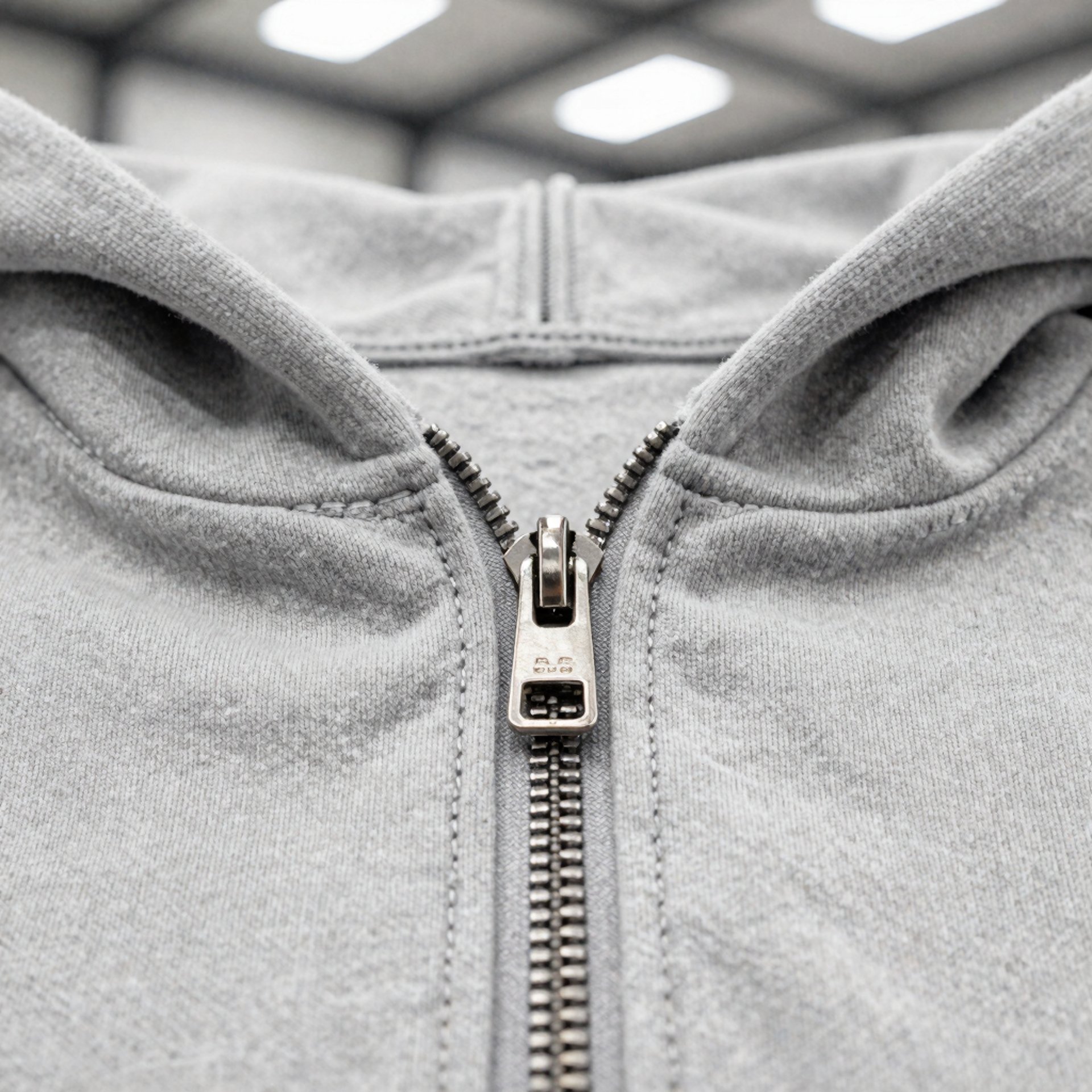


Apparel Bulk Quality Control: A Practical Checklist for Clothing Brands
A good sample does not guarantee a good bulk order.
This is one of the most important realities in apparel manufacturing.
A sample may be made by one experienced sample maker, using carefully selected fabric and with extra attention to detail. Bulk production is different.
Dozens, hundreds or thousands of garments may pass through cutting, sewing, printing, embroidery, washing, finishing, checking and packing.
The larger the order, the more opportunities there are for variation.
That is why apparel quality control should not happen only at the very end.
It should be built into the production process.
For clothing brands, the goal of quality control is not simply to find defects. The real goal is to prevent incorrect products from moving too far through production and to make sure the final bulk order stays consistent with the approved sample and specification.
What Does Apparel Quality Control Mean?
Apparel quality control refers to the systems used to check whether garments meet the agreed requirements.
These requirements may include:
Fabric
Color
Measurements
Fit
Construction
Sewing
Printing
Embroidery
Washing
Labels
Trims
Packaging
Overall appearance
The main reference should normally be the latest approved production information.
This may include:
Approved sample
Final tech pack
Measurement chart
POM diagram
Approved fabric
Approved color standard
Approved artwork
Approved print or embroidery sample
Approved trims
Packaging instructions
Quality control becomes difficult when these references are unclear or do not match each other.
Before bulk production begins, the brand and manufacturer should agree on what the finished product is supposed to be.
Quality Control Starts Before Sewing
Many quality problems begin earlier than the sewing line.
If incorrect fabric, color or cutting is approved at the beginning, checking the finished garment later may be too late.
For this reason, bulk quality control should begin with incoming materials and pre-production preparation.
1. Check Bulk Fabric Before Cutting
Fabric is the foundation of the garment.
Before bulk cutting, important fabric details should be checked against the approved standard.
Depending on the product, this may include:
Fabric composition
GSM
Color
Hand feel
Stretch
Recovery
Surface appearance
Shrinkage
Width
Fabric defects
A fabric may technically be the same composition while still feeling noticeably different.
For example, two 100% cotton jerseys can have different:
Compactness
Surface texture
Softness
Drape
Weight
Shrinkage
For brand-sensitive products, bulk fabric should therefore be compared with the approved fabric standard rather than relying only on a written composition.
2. Check Color Consistency
Color differences can occur between:
Fabric lots
Dye batches
Garment wash batches
Print batches
Embroidery threads
Trims
A small variation may be acceptable depending on the product, but obvious differences can create a poor retail presentation.
Color should be reviewed under consistent lighting whenever possible.
For custom colors, the brand may use:
Pantone references
Lab dips
Approved swatches
Approved sample garments
The key is to define one approved reference.
If several different references are used at the same time, QC becomes subjective.
3. Confirm Cutting Accuracy
Once fabric is cut, major size and construction errors can already begin.
Cutting control may involve checking:
Pattern version
Fabric direction
Size identification
Panel shape
Notches
Matching points
Stripe or pattern alignment
Cutting quantity
If the wrong pattern version is used, even perfect sewing cannot produce the correct garment.
This is why version control matters throughout production.
The cutting team should be working from the approved production pattern rather than an earlier sampling version.
In-Line Quality Control During Sewing
Waiting until all garments are complete before checking sewing quality is risky.
If the same construction error is repeated across hundreds of pieces, correcting it later can become expensive and time-consuming.
In-line QC checks garments while production is still running.
This allows problems to be identified earlier.
Typical in-line checks may include:
Seam construction
Stitch quality
Stitch density
Seam allowance
Panel matching
Pocket position
Zipper installation
Rib attachment
Collar shape
Sleeve attachment
Label placement
Overall workmanship
If a recurring issue is found, production can be adjusted before more pieces are completed.
Common Sewing Defects to Check
Different products have different construction requirements, but common sewing problems include:
Open Seams
The seam is not securely closed or stitching has failed.
Skipped Stitches
The machine fails to form stitches consistently, creating gaps.
Broken Stitches
Stitching breaks due to tension, thread or sewing issues.
Puckering
Fabric gathers or wrinkles around seams.
This can be caused by thread tension, fabric feeding or construction problems.
Uneven Stitching
Stitch lines may appear wavy, inconsistent or poorly positioned.
Uneven Panels
Two sides of the garment do not match correctly.
For example, sleeves, pockets or side seams may sit at different positions.
Twisted Garments
The garment may rotate after sewing or washing due to fabric or construction issues.
Excess Thread
Loose or untrimmed thread can reduce the overall appearance even when the garment is technically functional.
Quality control should therefore evaluate both structural and visual workmanship.
Measurement Control During Bulk Production
Measurements should be checked throughout bulk production, not only after packing.
The QC team should use the same POM definitions and measurement method agreed during sampling.
Important measurements may include:
Chest
Body length
Shoulder
Sleeve
Waist
Hip
Rise
Inseam
Leg opening
Each POM should have:
Target measurement
Size
Defined measurement method
Allowed tolerance
If multiple garments repeatedly measure outside tolerance in the same direction, this may indicate a pattern, cutting, sewing or finishing problem.
A single measurement deviation may be random.
A repeated deviation is a process signal.
Why the Approved Sample Matters
The approved sample is one of the most useful physical references during bulk QC.
Numbers do not describe everything.
The approved sample may also show:
Overall silhouette
Hood shape
Collar appearance
Pocket position
Fabric behavior
Stitch appearance
Print size
Embroidery density
Wash effect
Bulk garments should therefore be compared with both the technical specification and the approved sample.
If there is a conflict between the approved sample and the latest written specification, that conflict should be resolved before production.
The QC team should not be forced to choose between two different standards.
Printing Quality Control
Printed garments require additional checks.
The exact QC points depend on the printing method.
Common checks include:
Artwork size
Artwork position
Color
Registration
Print coverage
Surface consistency
Cracking
Peeling
Blurring
Ink contamination
Hand feel
For multi-color screen printing, registration is particularly important.
Misaligned colors can make the graphic look blurred or distorted.
For DTG or other digital printing, color consistency and print clarity may require more attention.
For puff, high-density or special-effect printing, the height and texture should also match the approved reference.
Check Print Placement
Even a high-quality print can look wrong if it is positioned incorrectly.
The artwork specification should clearly define:
Distance from neckline
Distance from center front
Distance from side seam
Print width
Print height
Placement should not be judged only by eye.
For important graphics, measurable positioning points make QC much more consistent.
Embroidery Quality Control
Embroidery requires a different set of checks.
Typical QC points include:
Artwork dimensions
Position
Thread color
Stitch density
Edge clarity
Thread tension
Puckering
Loose threads
Backing
Overall appearance
Dense embroidery on lightweight or stretchy fabric can distort the garment.
This is why embroidery should ideally be tested before bulk production.
An approved embroidery sample or strike-off gives the QC team a clear reference.
Check Washing and Special Finishes
Many streetwear garments use washing or finishing processes such as:
Enzyme wash
Vintage wash
Acid wash
Garment dye
Fading
Distressing
Spray effects
These treatments naturally create more visual variation than standard solid-color garments.
However, “variation” should not mean “anything is acceptable.”
The brand and factory should define the acceptable range.
QC may compare:
Color depth
Fade position
Overall wash appearance
Hand feel
Damage level
Shrinkage
Measurement changes
For highly washed products, approved reference samples are particularly important.
Labels and Trims
Small components can cause surprisingly visible quality problems.
QC should check items such as:
Main label
Size label
Care label
Woven label
Hangtag
Zipper
Buttons
Snaps
Drawcord
Eyelets
Cord ends
Check:
Correct version
Correct color
Correct size
Correct placement
Correct orientation
Secure attachment
A garment may be perfectly sewn but still become unsellable if the wrong size label or care label is attached.
Check Garment Appearance After Finishing
After sewing and decoration, garments normally go through finishing.
This is where many visual problems become easier to identify.
Final appearance checks may include:
Stains
Oil marks
Chalk marks
Fabric damage
Holes
Loose threads
Wrinkles
Ironing marks
Shape
Symmetry
Odor
General cleanliness
For premium apparel brands, these details strongly influence perceived quality.
The customer does not know whether a garment passed all technical construction checks.
They see the final product.
Packaging Quality Control
Packaging is part of the product delivery.
Before shipment, the manufacturer should verify that garments are packed according to the agreed instructions.
Possible checks include:
Folding method
Polybag type
Size stickers
Barcode
Hangtag
Tissue paper
Quantity per carton
Carton markings
Size assortment
Color assortment
Packaging mistakes can create warehouse and fulfillment problems even when the garments themselves are correct.
For example, incorrect size stickers can lead to the wrong products being shipped to customers.
What Is Final Random Inspection?
Once production is complete, brands may use a final random inspection before shipment.
Instead of opening and checking every single garment, an inspector selects a sample from the bulk order according to an agreed inspection method.
The selected pieces are checked for:
Workmanship
Measurements
Appearance
Labels
Packaging
Quantity
Product specifications
The inspection result helps determine whether the shipment meets the agreed quality standard.
Understanding AQL
In apparel inspection, you may hear the term AQL, or Acceptable Quality Limit.
AQL is a statistical inspection framework used to determine sample size and acceptable defect limits for a production lot.
It does not mean that defects are desirable.
It provides a structured way to evaluate a shipment without checking every unit.
Defects are often categorized into levels such as:
Critical
Major
Minor
The exact classification should depend on the brand's product and quality standard.
For example, a safety-related issue may be treated very differently from a small cosmetic imperfection.
Brands should agree on inspection standards before shipment rather than deciding what is acceptable only after defects are found.
Critical, Major and Minor Defects
A useful QC system distinguishes between different levels of defects.
Critical Defect
A defect that may create a serious safety, legal or functional problem.
Major Defect
A defect that significantly affects appearance, function, fit or saleability.
Examples may include:
Large holes
Wrong artwork
Major measurement failure
Broken zipper
Severe stains
Minor Defect
A smaller issue that does not significantly affect use but may reduce appearance or workmanship quality.
Examples may include:
Small loose thread
Minor stitching irregularity
Small cosmetic inconsistency
The exact classification should be agreed according to the product and brand positioning.
A premium fashion brand may apply stricter cosmetic standards than a basic promotional apparel program.
Quality Control Should Match the Product
Not every garment needs the same QC priorities.
A basic T-shirt may focus heavily on:
Fabric
Measurements
Neckline
Sewing
Printing
A technical jacket may require additional attention to:
Zippers
Waterproof construction
Pocket systems
Hardware
Seam sealing
A vintage washed hoodie may require more focus on:
Wash consistency
Shrinkage
Color
Fabric damage
Hood structure
QC should follow the actual risk points of the product.
A generic checklist is useful, but it should not replace product-specific inspection standards.
Common Bulk Quality Control Mistakes
Checking Only at the End
If defects are discovered only after the entire order is finished, correction becomes much more difficult.
Using an Old Tech Pack
Production and QC should always use the latest approved specification.
No Approved Physical Reference
Color, wash, print and overall appearance can be difficult to judge using numbers alone.
Undefined Measurement Tolerances
Without tolerances, measurement disputes become subjective.
Approving a Sample but Changing Bulk Materials
Changing fabric, trims or production methods after approval can change the final product.
Treating Every Defect the Same
Not every issue has the same impact.
Defects should be classified based on severity and effect on the customer.
Packing Before Final Checks
Once garments are fully packed into cartons, correcting problems becomes slower and more expensive.
Apparel Bulk QC Checklist
Before shipment, confirm the following:
Fabric
Correct fabric
Correct GSM
Correct color
Acceptable shade consistency
No major fabric defects
Shrinkage within approved requirement
Measurements
Correct POM method
Measurements within tolerance
Size grading consistent
Washed measurements approved where applicable
Sewing
Seams secure
No skipped stitches
No broken stitches
No excessive puckering
Stitching clean and consistent
Panels aligned correctly
Printing / Embroidery
Correct artwork
Correct size
Correct placement
Correct colors
Clean execution
No major cracking, peeling or distortion
Trims and Labels
Correct trims
Correct labels
Correct size label
Correct care label
Correct placement
Appearance
No major stains
No holes
No obvious damage
Threads trimmed
Garment shape correct
Finishing clean
Packaging
Correct folding
Correct polybag
Correct barcode or sticker
Correct size/color assortment
Correct carton quantity
Correct carton markings
Frequently Asked Questions
Should every garment be inspected?
It depends on the brand, order size, product and inspection system.
Some checkpoints may involve 100% inspection, while final shipment evaluation may use random sampling.
The QC plan should be agreed according to the risk and quality requirement of the product.
What is the difference between QC and final inspection?
QC is broader.
It can include material checks, in-line inspection, measurement control, decoration checks and final inspection throughout production.
Final inspection is one stage near the end of the process.
Can a good sample still result in poor bulk production?
Yes.
Bulk production introduces more operators, more materials, more processes and more opportunities for variation.
That is why the approved sample should become a production reference rather than being treated as proof that the entire order will automatically be correct.
Who should define the quality standard?
Ideally, the brand and manufacturer should agree on the standards before production.
The tech pack, approved sample, tolerance requirements and inspection criteria should all support the same expectation.
Why are measurement tolerances necessary?
Textile materials and garment production naturally create some variation.
Tolerance defines the acceptable range while still keeping production consistent with the approved specification.
When should quality problems be corrected?
As early as possible.
Finding and correcting a recurring issue during cutting or sewing is usually much easier than discovering it after the entire order has been packed.
Quality Control Is a Production System
The best quality control is not simply an inspector standing at the end of a production line.
It is a system that follows the garment through production:
Bulk Fabric Check → Cutting Control → In-Line Sewing QC → Measurement Check → Print / Embroidery Review → Finishing → Final Inspection → Packaging → Shipment
Each stage reduces the chance that an incorrect product reaches the next one.
For clothing brands, this is also why choosing a manufacturer should not only be about sample quality or price.
The important question is whether the factory can consistently reproduce the approved product across bulk production.
At Haoyi Apparel, we support clothing brands through design review, sampling, bulk production and quality control for custom streetwear, casualwear and activewear.
During development and production, specifications, measurements, materials, workmanship and final garment appearance are reviewed against the approved project requirements before shipment.
Dongguan haoyi Garment Factory
Direct-to-factory OEM/FOB apparel manufacturing for modern streetwear and sportswear labels.
Sitemap
Home
Custom Blanks
Bespoke Service
Design
About Us
Academy
Factory Floor
Dongguan, Guangdong Province, China
todkddjhi@gmail.com
WhatsApp: +86 18939218751
Mon - Sat: 09:00 - 18:00 (GMT+8)
© 2026 Dongguan Haoyi Garment Factory-Direct apparel manufacturing with millimeter-precision.
FOB DONGGUAN - DIRECT TO FACTORY